


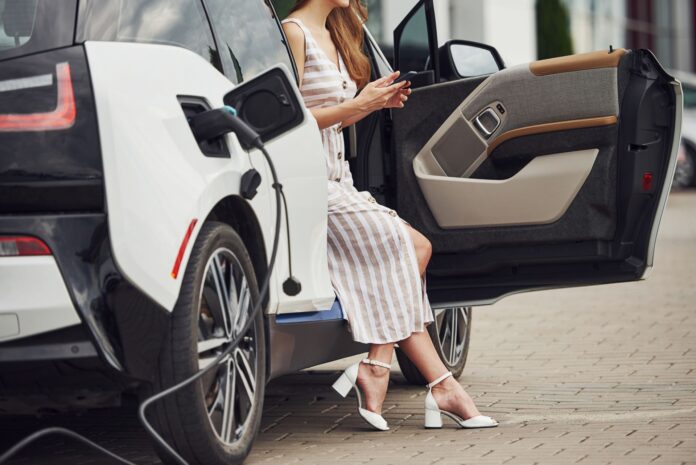
Obsolete batteries for electric cars are no longer just a theoretical environmental problem, but reality, which floods global markets, starting from China. As the world moves towards mass electrification, the issue of "second life" and the final recycling of these energy cells becomes the most important topic for the sustainable development of the mining and automotive industries.
Technical profile: Why do batteries "retire"
From a scientific point of view, lithium-ion batteries are dynamic electrochemical systems, which degrade with each charge. At the heart of this process is the transfer of $Li^+$ ions between anode and cathode. Over time, microscopic structural damage and chemical deposits build up, known as SEI layer (Solid Electrolyte Interphase).
A battery is considered "retirement ready" from the EV, when its capacity drops below 80%. At this stage, it can no longer provide the necessary peak power for quick acceleration or reliable mileage in extreme temperatures. According to research institution EVtank, the total annual volume of end-of-life systems in China will reach 820 000 tones until the end of 2025 G., as the figure will rise to over 1 million tons to 2030 G.
Recycling of batteries for electric vehicles and the risk of the gray market
China today is the "front line" of this problem. With close 180 000 enterprises, engaged in recovery, the country is trying to structure a chaotic market. Over 60% of these companies were founded in the last three years, indicating the speed of industrial transformation. However, the recycling of batteries for electric vehicles often falls into the hands of unregulated "workshops".
This gray market offers higher purchase prices for consumers, as it ignores critical costs for:
- Environmental safety: Disposal of acidic and toxic waste into the sewer.
- Fire protection: Lack of specialized storage chambers for cells with a high risk of spontaneous combustion.
- Tax transparency: Operations outside official financial flows.
In these centers, batteries are disassembled primitively, and the cells are repackaged and sold as "new" for smaller devices - a practice, which endangers the security of the end user.
The recovery path: Cascade model vs. recycling
When a battery leaves the vehicle compartment, she faces two main scenarios, which determine its economic value.
1. Cascading utilization (Second Life)
This is the process of reusing batteries, which still have capacity between 60% And 80%. They are tested and integrated into less demanding applications, like:
- Energy storage systems from photovoltaic parks.
- Backup power supply (UPS) for data centers.
- Driving slow-moving machines and electric scooters.
2. Full technological recycling
When the cells are too worn, they undergo chemical and heat treatment to extract strategic metals: lithium, nickel, cobalt and manganese. Official recycling companies use hydrometallurgical processes, which allow over 99% recovery of materials, returning them back to the beginning of the production chain.
"No one is better equipped to handle these batteries than the companies, who produce them. They understand chemistry and applications, for which the recovered materials can be used further. Producers need to create a closed loop.” – says Alex Lee, battery engineer, based in Shanghai.
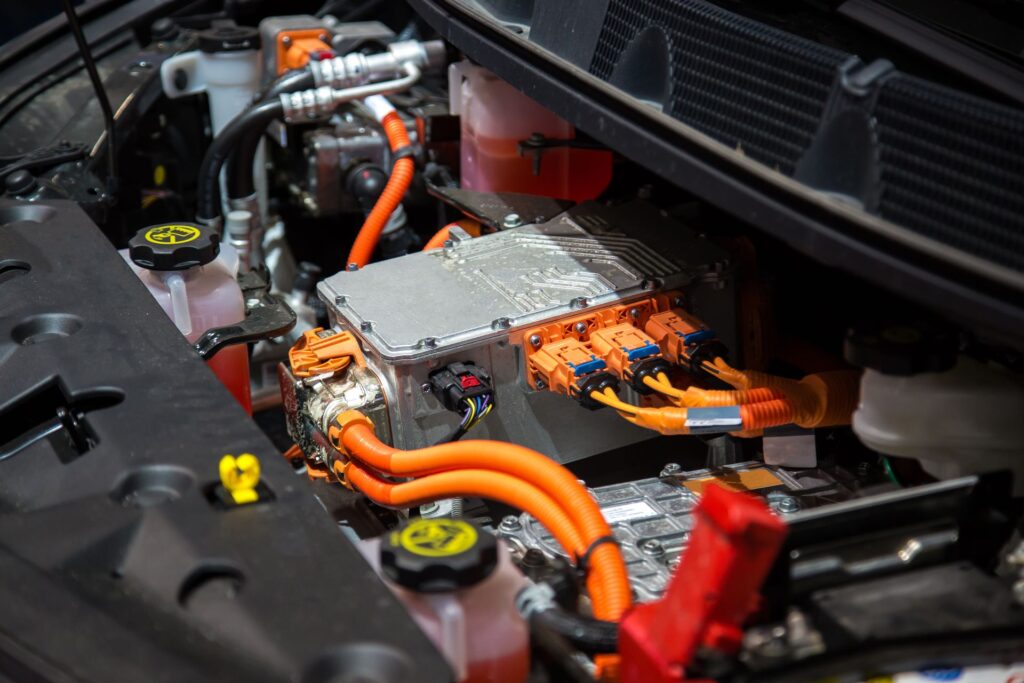
Global context and the industrial giants
China currently holds over 70% of the world production of electric cars. Leaders like CATL And BYD already control nearly half of the world's battery production and are aggressively building buyback networks. CATL, through its subsidiary Brunp, has over 240 landfills for collection and processing capacity of 270 000 tons per year.
At the same time, market dynamics are relentless. In the last five years over 400 small producers of electric cars in China went bankrupt, leaving behind the so-called. "orphan batteries" - cells from cars, whose brands no longer exist. This necessitates state intervention through "white lists" (until the moment 156 companies), to guarantee, that this waste will not disappear into the gray market.
Predictive analysis: What awaits us until 2030 year
In the next ones 5-10 years, the industry will move from an "experimental recycling" phase to a high-tech one large-scale utilization. It is expected:
- Reduction in the price of raw materials: Secondary lithium will become competitive with mining.
- Digital passports of batteries: Each battery will have a QR code with a complete life cycle history.
- Automation: Robotic lines will disassemble the modules, reducing human risk.
Obsolete batteries for electric cars are not the end of the road, and the beginning of a new economy. For countries, which do not have their own lithium or cobalt deposits, recycling is the only way to ensure raw material independence in the era of clean energy.
The socio-economic impact is huge - from creating new 'green' jobs to reducing the environmental footprint of the mining industry. The Chinese experience is a lesson, which western markets need to learn quickly, if they want to turn the waste problem into an economic triumph.
IN Geotopia.bg we believe, that a sustainable future depends on our ability to close the resource loop, turning every "end device" into the raw material for the next generation of innovation.